Introduction: Why Choosing the Right Camera Matters
Embarking on a photography journey can be both exciting and daunting for beginners. Selecting the right camera plays a crucial role in shaping this journey, as it directly impacts the overall experience and development of skills. A well-chosen camera not only enhances the enjoyment of capturing images but also facilitates learning, allowing newcomers to explore their creativity without the frustration that can arise from inadequate equipment.
For beginners, it is essential to focus on a few key features when selecting a camera. First and foremost is ease of use. Cameras that offer intuitive controls and user-friendly interfaces can help newcomers feel more confident as they learn the foundations of photography. A complex camera with numerous complicated settings can lead to confusion and hinder progress.
Another vital aspect is image quality. Beginners should seek cameras that provide excellent image resolution and clarity, enabling them to capture sharp, vibrant images that they can be proud of. Investing in a camera with a good lens and sensor can make a significant difference in the final output and contribute to a more satisfying photographic experience.
Moreover, versatility is an important characteristic to consider. A camera that allows for various shooting modes and interchangeable lenses can accommodate the diverse interests and styles of different photographers. As beginners evolve in their skills, having a camera that adapts to their growing expertise can be invaluable.
Ultimately, choosing the right camera sets the stage for an enriching photography experience. Understanding the significance of key features such as ease of use, image quality, and versatility will empower beginners to make informed decisions, opening doors to endless creative possibilities in their photographic journey.
Types of Cameras Available for Beginners
When embarking on the journey of photography, selecting the right type of camera is crucial for beginners. There are several categories available, each offering distinct features and benefits tailored for those new to this creative pursuit. The primary types include point-and-shoot cameras, mirrorless cameras, and digital single-lens reflex (DSLR) cameras.
Point-and-shoot cameras are often recommended for beginners due to their simplicity and ease of use. They are compact, lightweight, and offer automatic settings that allow users to focus on capturing moments without worrying about intricate manual adjustments. These cameras are ideal for casual photography, making them perfect for family gatherings, vacations, or everyday moments. Additionally, many point-and-shoot models come equipped with built-in Wi-Fi or Bluetooth, allowing for easy sharing of photos on social media platforms.
On the other hand, mirrorless cameras present a significant step up in terms of image quality and versatility. These cameras utilize electronic viewfinders and lack the mirror mechanism found in DSLRs, making them more compact and lightweight, while still providing interchangeable lens options. For beginners interested in exploring more creative photography styles, mirrorless cameras are an excellent choice, offering features such as manual controls, superior low-light performance, and high-quality video capabilities.
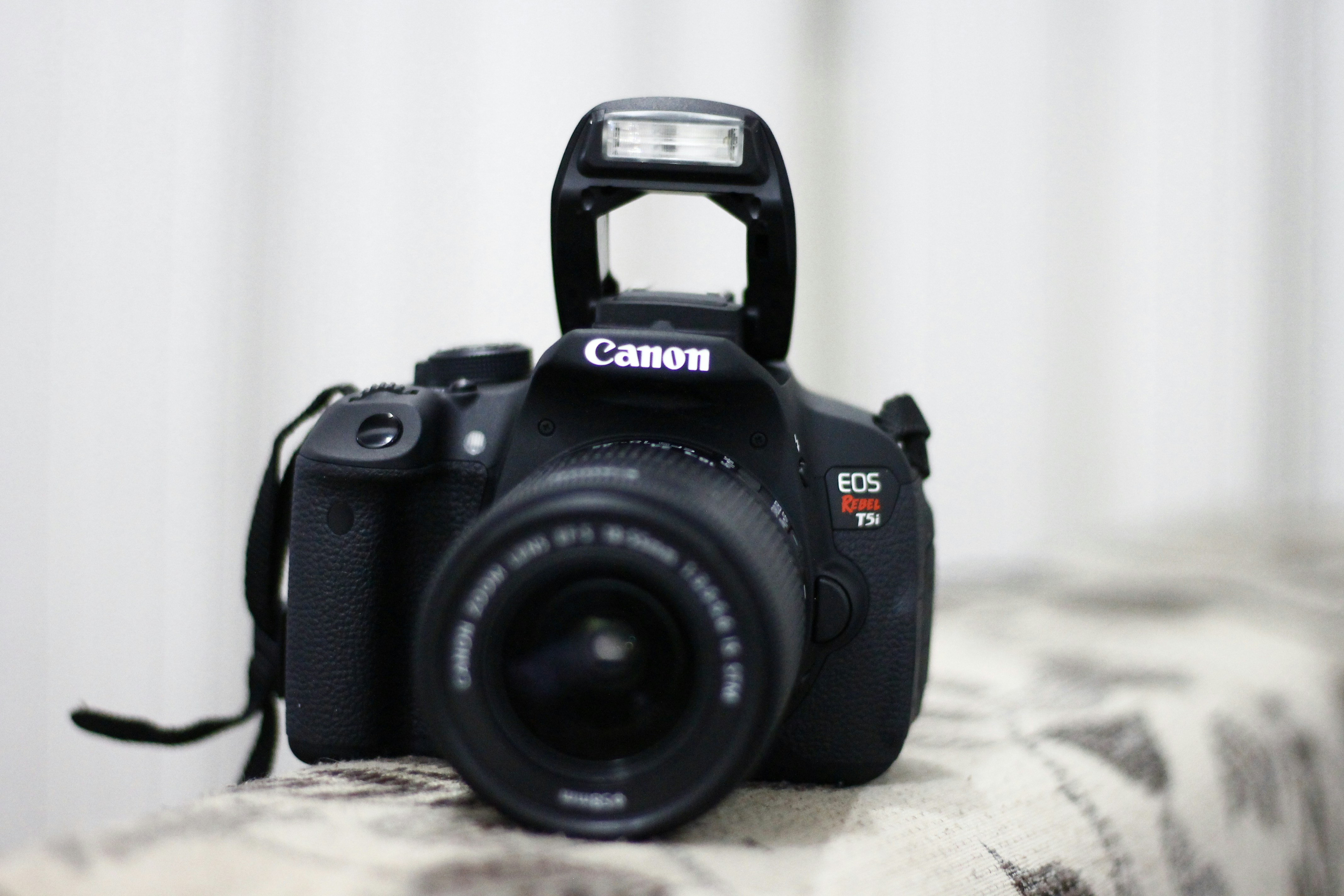
Lastly, digital single-lens reflex (DSLR) cameras are well-regarded for their robust performance and high degree of control. Although they are typically larger and heavier than point-and-shoot or mirrorless options, DSLRs provide exceptional image quality and battery life. They also feature a wide variety of compatible lenses, enabling beginners to experiment with different photography techniques. While the learning curve may be steeper, the investment in a DSLR can be highly rewarding for those serious about their photography journey.
Key Features to Look for in a Beginner Camera
When embarking on the journey of photography, it is essential for beginners to understand the key features that can significantly enhance their experience and results. One of the first aspects to consider is sensor size. A larger sensor can capture more light, improving image quality, dynamic range, and low-light performance. Consequently, beginners should look for cameras with sensors that suit their photographic intentions, such as APS-C or full-frame sensors, which are widely recognized for their superior image quality.
Next, the megapixel count is often highlighted as a crucial specification. While higher megapixels can facilitate larger prints and more cropping options, it is essential to remember that quality often trumps quantity. A camera with 16-24 megapixels is typically sufficient for beginners, ensuring clarity and detail without excessive file sizes.
Lens compatibility also plays a vital role in a beginner camera. Interchangeable lens systems offer versatility, allowing users to experiment with different styles and perspectives. Beginners should consider cameras that have a compatible range of lenses tailored to various photographic needs, such as wide-angle, macro, or telephoto lenses.
Furthermore, manual controls are pivotal for those wanting to learn and grow in photography. A camera equipped with manual settings for exposure, ISO, and shutter speed enables beginners to understand the foundations of photography better, providing room for creative expression.
Finally, connectivity options are increasingly relevant in today’s digital age. Features such as Wi-Fi and Bluetooth can facilitate easy sharing of images to social media and provide remote control capabilities, making it a noteworthy inclusion for beginners. By considering these key features—sensor size, megapixel count, lens compatibility, manual controls, and connectivity options—beginners can make well-informed choices, setting a solid foundation for a rewarding photography experience.
Top Picks: Best Cameras for Beginners
Choosing the right camera is a crucial step for any novice photographer eager to capture memorable moments. Here, we present a curated list of some of the best cameras tailored to beginners, ensuring a balance of performance, usability, and value for money. Each entry includes an overview and pros and cons to help you make an informed decision.
1. Nikon D3500
The Nikon D3500 is an entry-level DSLR that excels in image quality and ease of use. Its 24.2-megapixel sensor captures stunning detail, making it perfect for both portrait and landscape photography.
Pros: Excellent battery life, Guided mode for beginners, Lightweight and portable.
Cons: Limited video capabilities compared to mirrorless options.
2. Canon EOS Rebel T7
The Canon EOS Rebel T7 is another fantastic option for budding photographers. With a combination of easy-to-navigate menus and built-in Wi-Fi, users can share images effortlessly.
Pros: Full HD video capability, Large LCD screen, Effective autofocus system.
Cons: Limited touchscreen functionality.
Purchase the Canon EOS Rebel T7
3. Fujifilm X-T200
If you prefer a mirrorless system, the Fujifilm X-T200 is a light and compact camera that delivers remarkable quality. Its retro design appeals to many and offers intuitive controls tailored for beginners.
Pros: 24.2 MP APS-C sensor, Versatile film simulation modes, Articulating touchscreen.
Cons: Limited lens options at the entry level.
These cameras represent some of the best choices for beginners, each offering unique features that facilitate learning and creativity in photography. With any of these options, novice photographers can effectively embark on their photographic journey with confidence.
Budget Considerations: Finding the Right Camera within Your Price Range
When embarking on the journey of photography, setting a realistic budget is crucial, particularly for beginners. Understanding different pricing tiers can significantly influence the decision-making process regarding which camera to select. For novice photographers, it is essential to align their expectations with their budget to ensure they acquire a camera that meets their needs without overspending.
The entry-level budget for beginner cameras typically ranges from $300 to $600. Cameras in this price bracket often come with essential features that allow beginners to understand and practice the fundamentals of photography. These models usually include point-and-shoot cameras and some DSLRs or mirrorless systems equipped with beginner-friendly automatic settings. While the image quality may not match that of higher-end models, they still provide a solid foundation for newcomers.
Mid-range cameras, ranging from $600 to about $1,200, offer enhanced features and better quality. This price segment often includes more sophisticated DSLRs and mirrorless systems that allow for manual control, interchangeable lenses, and advanced autofocus systems. For beginners who are serious about developing their photography skills, investing in a mid-range camera can be worthwhile as it fosters creativity and experimentation.
Beyond $1,200, the offerings generally appeal to enthusiasts and semi-professionals, where advanced features, superior image quality, and robust build become focal points. While these high-end models can deliver exceptional performance, beginners should consider whether these capabilities are necessary before making a significant investment.
In conclusion, setting a budget is vital for beginners when selecting a camera. By understanding various price ranges and their corresponding features, newcomers can make informed choices and find a camera that aligns with their photographic aspirations without straining their finances.
Accessories Every Beginner Photographer Should Have
When embarking on the photography journey, selecting the right camera is just one part of the equation. To truly enhance your experience and capture stunning images, investing in essential accessories is equally important. The following accessories are highly recommended for beginner photographers, each playing a significant role in assuring a seamless photographic experience.
First, a sturdy tripod is vital for achieving stable shots, especially in low-light situations or when shooting long exposures. It serves to eliminate camera shake, allowing for sharper images. Aim for a lightweight and compact tripod that is easy to carry for outdoor shoots. Brands such as Manfrotto or Neewer offer beginner-friendly options that are both reliable and affordable.
Next, a protective camera bag is crucial for transporting your camera and accessories safely. Choose one that offers adequate padding and compartments to organize your gear. A well-designed camera bag helps prevent damage and facilitates easy access to your equipment, thus fostering a more efficient shooting process.
In addition, having a sufficient number of memory cards is essential. It is advisable to select cards with a high write speed for seamless recording of images, especially when shooting in burst mode. Look for cards with at least 16 GB of storage, as this will allow you to capture numerous photos without frequently needing to swap them out.
Finally, a lens cleaning kit is an often-overlooked accessory that can significantly improve image quality. Dust and debris on the lens can lead to unsightly marks in your photographs. A basic cleaning kit typically includes a microfiber cloth, brush, and lens solution designed specifically for optics. Regular maintenance ensures that your equipment remains in pristine condition, leading to better results.
By equipping yourself with these accessories, you can enhance your photography experience and produce remarkable images with your camera.
Tips for Getting Started with Your New Camera
Embarking on your photography journey with a new camera can be both exciting and overwhelming. Understanding the camera settings is crucial to capturing the best images. Begin by familiarizing yourself with the fundamental settings of your camera, which typically include aperture, shutter speed, and ISO. These three elements, often referred to as the exposure triangle, work together to control the amount of light that reaches the sensor. A solid grasp of these settings will enhance your ability to take creative control over your photography.
Once you understand the basic settings, explore the various shooting modes available on your camera. Beginners often start with automatic modes, which allow the camera to adjust the settings for you. However, as you grow more confident, experiment with semi-automatic modes such as aperture priority or shutter priority. These modes will enable you to exert more control over your photographs while still relying on the camera to manage some elements of exposure.
Composition is another crucial aspect to consider when starting with your new camera. Familiarize yourself with the rule of thirds, which encourages placing key elements of the scene along imaginary lines that divide the frame into thirds. This technique can significantly enhance the balance and interest of your photographs. Additionally, pay attention to leading lines and framing, as they guide the viewer’s eye within the image.
To further your skills, be proactive about seeking resources for continued learning. Online tutorials, photography workshops, and social media groups dedicated to photography can be invaluable. Engaging with a community of fellow photographers can provide support, inspiration, and constructive feedback to help you refine your craft. With practice and patience, your confidence in using your new camera will undoubtedly grow, allowing you to capture the world through your unique perspective.
Common Mistakes to Avoid as a Beginner Photographer
As a novice photographer, it is vital to be aware of common pitfalls that can hinder your progress and creativity. One frequent mistake is improper exposure settings. Beginners may struggle with balancing aperture, shutter speed, and ISO, leading to underexposed or overexposed images. Understanding the exposure triangle is foundational for achieving well-lit photographs. It is beneficial to experiment with manual exposure settings to gain confidence and improve overall image quality.
Another common error is an over-reliance on automatic modes. While these modes can be helpful, relying solely on them can limit your growth as a photographer. Beginners often forget to explore the capabilities of their cameras, missing out on the artistic potential available in aperture or shutter priority modes. Taking the time to understand these settings allows for greater creative control and the opportunity to produce more compelling photographs.
Additionally, many novice photographers neglect to learn foundational photography skills, such as composition and lighting. Understanding the rule of thirds, leading lines, and framing can significantly enhance the aesthetic quality of images. Lighting is also crucial; photographers should strive to utilize natural light effectively and learn how different times of day can alter the mood and feel of a photo. Ignoring these fundamental concepts can lead to subpar results, often resulting in frustration and discouragement.
Moreover, it is essential to avoid the temptation of comparing yourself to more experienced photographers. Photography is a personal journey that requires time to develop one’s unique style. Engaging in this comparison can detract from the joy of learning and lead to unrealistic self-expectations. By recognizing and avoiding these common mistakes, beginners can cultivate a more fulfilling photographic experience and lay a strong foundation for their skills moving forward.
Conclusion: Embrace Your Photography Journey
Embarking on a photography journey is an exhilarating experience, particularly when equipped with the right camera. As a beginner, selecting the ideal camera tailored to your preferences can significantly enhance your creative expression and confidence in capturing images. The world of photography is filled with endless possibilities; therefore, it is essential to explore and experiment with various techniques and settings that your camera offers.
As you delve into the art of photography, remember to let curiosity guide you. Embrace the learning process—a journey filled with trial and error will ultimately refine your skills and unique perspective. Every click of the shutter provides an opportunity to learn something new, whether it be composition, lighting, or post-processing techniques. Sharing your photographic endeavors with others can also be tremendously rewarding. Join photography communities, participate in contests, or simply share your work on social media to gain constructive feedback and connect with fellow enthusiasts.
Moreover, as you select your camera gear, consider taking advantage of affiliate links provided in this guide to ensure you’re making informed purchases. Investing in the right equipment will not only facilitate your learning journey but also enhance your overall experience. Remember, whether you choose a DSLR, mirrorless camera, or perhaps even a smartphone, the most crucial factor is how you utilize it to capture your vision of the world.
In conclusion, the key to thriving in your photography journey lies in passion and practice. As you create, remember that every photograph tells a story, and your story is worth sharing. Equip yourself with the tools and support necessary to unlock your creativity and enjoy the process of capturing life through your lens.